
Product Details
Research-grade peptides with clear specifications, COA-backed quality verification, and Fahrenheit storage guidance for laboratory use.
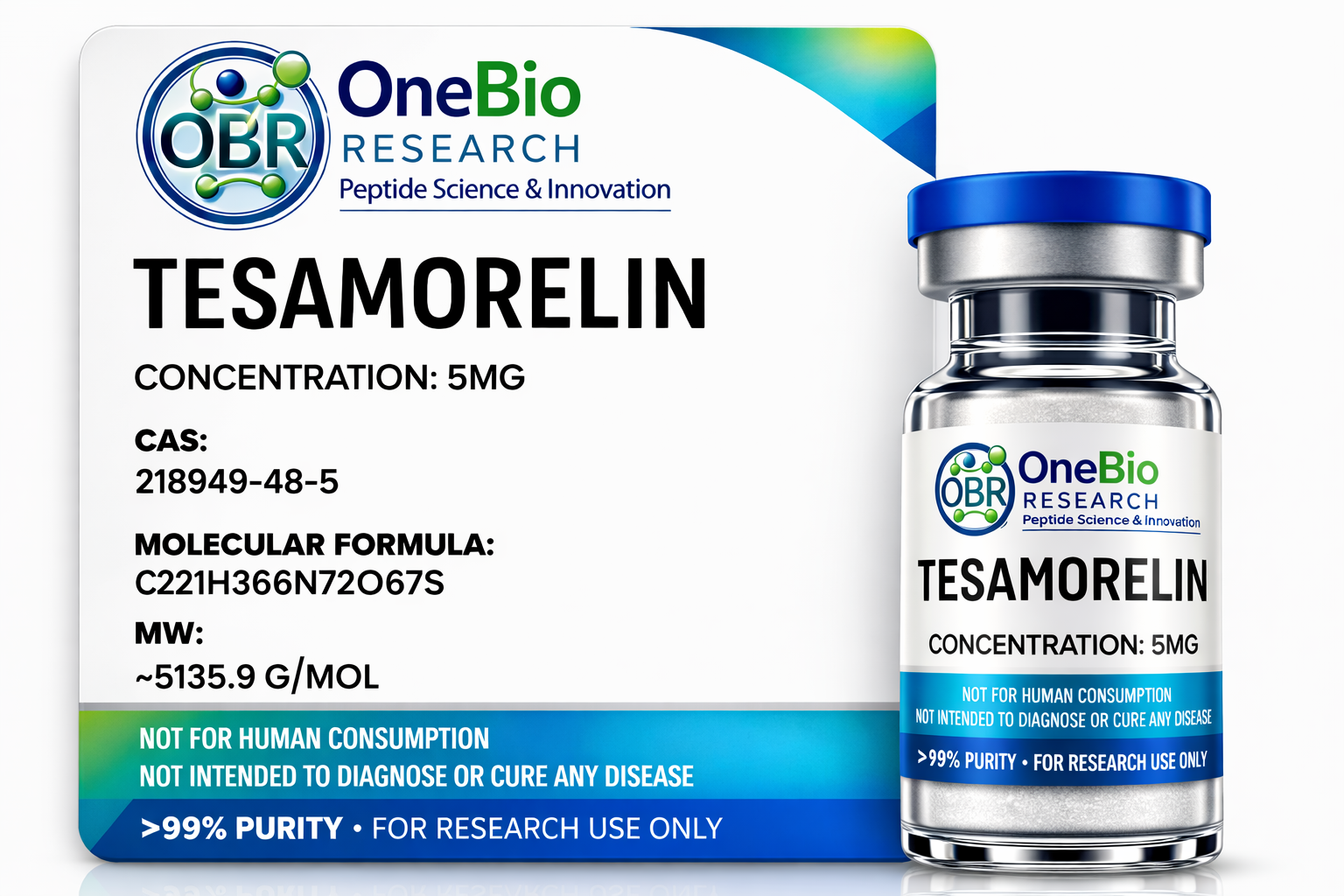
TESAMORELIN -10MG
Overview
Tesamorelin is a synthetic growth hormone-releasing hormone analog, designed to stimulate the pituitary gland to produce more endogenous growth hormone.
$55.00
Out of stock
Share this item
Description
Tesamorelin is a synthetic growth hormone-releasing hormone analog, designed to stimulate the pituitary gland to produce more endogenous growth hormone. It binds to GHRH receptors in the pituitary, resulting in a surge of growth hormone release, which then elevates insulin-like growth factor 1 (IGF-1). IGF-1 plays a crucial role in metabolism, fat distribution, and tissue repair. In clinical use, tesamorelin is most recognized for reducing excess abdominal fat, particularly in individuals with HIV-associated lipodystrophy, a condition marked by abnormal fat accumulation. By targeting visceral fat—the fat stored deep in the abdomen—tesamorelin helps redistribute body composition. Beyond fat loss, it also supports muscle growth, improves exercise recovery, and can influence overall body composition by promoting a leaner, more toned physique. In addition to its metabolic effects, it is thought to influence fat distribution via improved lipid metabolism, all while maintaining a natural circadian rhythm in growth hormone release.
Tesamorelin Research Details
Tesamorelin is a stabilized GHRH analog with clinical and mechanistic literature around GH/IGF-1 signaling and visceral-adipose-tissue endpoints. OneBio page language is restricted to research-use context and does not present therapeutic instructions.
99%+ target purity or lot-specific COA value
Trans-3-hexenoyl-GHRH(1-44) analog; verify exact lot sequence by COA
Lyophilized research material unless otherwise specified by COA
Research use only
Research Background
Synthetic GHRH analog studied for pituitary GHRH receptor signaling and downstream GH/IGF-1 axis regulation. Key OneBio research contexts include ghrh receptor assays, gh/igf-1 axis research, metabolic endpoint studies, and peptide analog profiling.
Specifications
| Compound | Tesamorelin |
| SKU / Product | tesamorelin |
| Molecular Weight | ~5135.9 g/mol |
| Formula / Classification | C221H366N72O67S |
| Database / Identity Note | PubChem CID 16131328 |
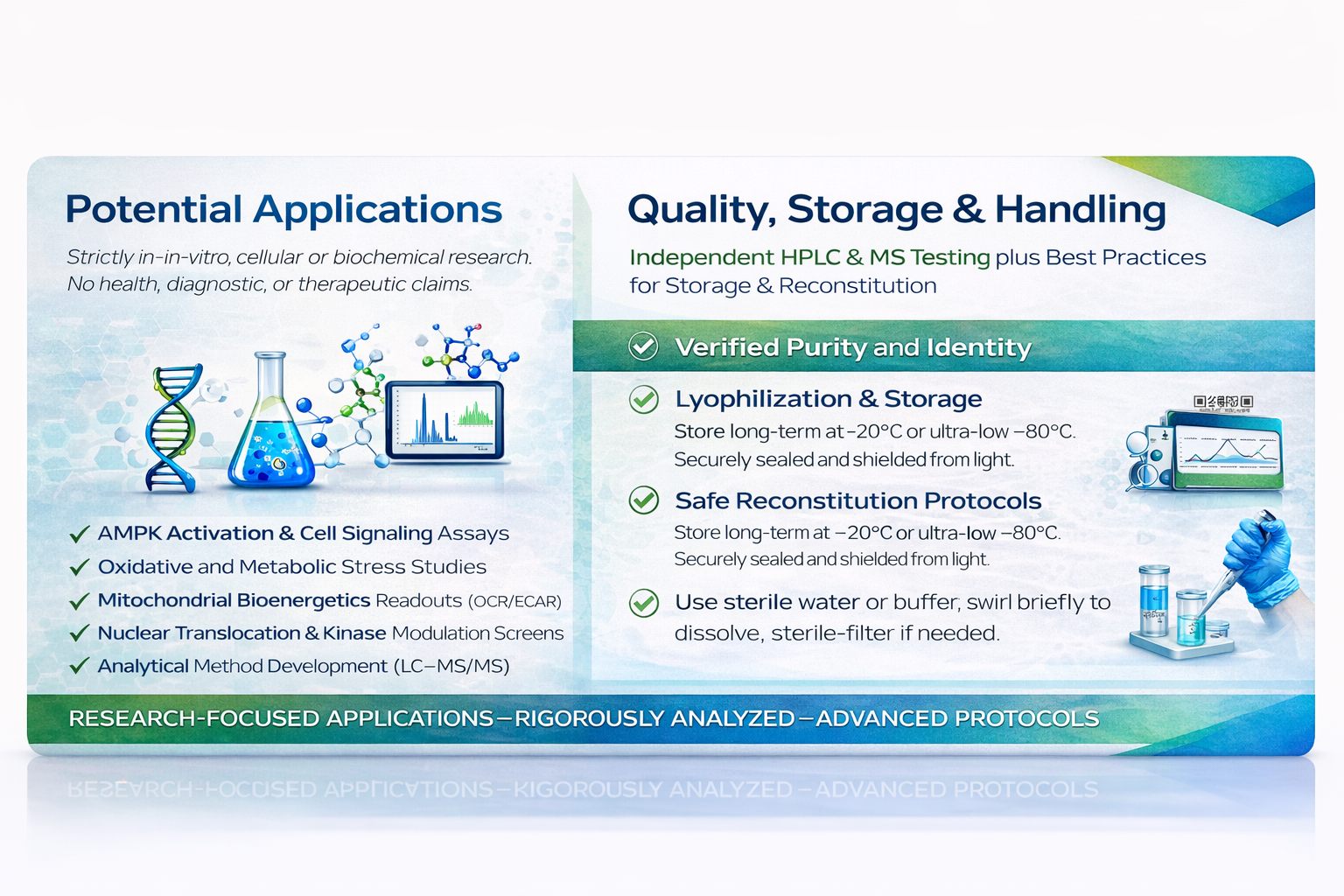
| Storage | -4°F long-term; 35-46°F short-term refrigerated; 39°F after reconstitution for up to 30 days when appropriate for the research protocol |
Quality Verification
Each batch should be reviewed against its Certificate of Analysis, including identity confirmation, purity method, mass/sequence or component confirmation, appearance, and lot-specific handling notes. Blend products should be checked against component-ratio documentation where available.
Laboratory Preparation
Prepare only inside a qualified laboratory using validated solvent choice, concentration, sterility, and storage protocols. For lyophilized peptides, use sterile deionized water or bacteriostatic water when appropriate for the research protocol, mix gently, maintain cold-chain handling, and avoid repeated freeze-thaw cycles.
Product-Specific Q&A
What is Tesamorelin used for in research?
Tesamorelin is used as a research material for ghrh receptor assays, gh/igf-1 axis research, metabolic endpoint studies, and peptide analog profiling. It is not offered for diagnostic, therapeutic, clinical, veterinary, or human-use applications.
What mechanism is most relevant for Tesamorelin?
Synthetic GHRH analog studied for pituitary GHRH receptor signaling and downstream GH/IGF-1 axis regulation.
How should Tesamorelin identity and purity be verified?
Use the lot-specific Certificate of Analysis to confirm identity, purity, mass/sequence or component profile, and any method-specific data such as LC-MS/HPLC. Technical values on this page are research references and should be checked against the delivered lot.
What storage conditions apply to Tesamorelin?
-4°F long-term; 35-46°F short-term refrigerated; 39°F after reconstitution for up to 30 days when appropriate for the research protocol. Keep sealed, dry, protected from light, and avoid repeated freeze-thaw cycles after preparation.
References
- PMID 23657561: Pathophysiology of GHRH-growth hormone-IGF1 axis in HIV/AIDS. Reviews in endocrine & metabolic disorders 2013.
- PMID 41545261: Body composition, hepatic fat, metabolic, and safety outcomes of Tesamorelin, a GHRH analogue, in HIV-associated lipodystrophy: A meta-analysis of randomized controlled trials. Obesity research & clinical practice 2026.
- PMID 18057338: Metabolic effects of a growth hormone-releasing factor in patients with HIV. The New England journal of medicine 2007.
Expanded Product Information
PeptideTech-style product tools added beneath the existing OneBio product layout: tabs, specifications, COA guidance, shipping/storage information, stock-solution guidance, verification notes, and FAQ.
| Product | Current product |
|---|---|
| Form | Lyophilized research material unless otherwise stated on the product label. |
| Purity / Identity | See product listing and available COA/batch documentation. |
| Storage | Long-term freezer storage around -4°F. Short-term refrigerated storage 35–46°F. Reconstituted materials should be handled under validated laboratory protocols. |
| Use Standard | Research-use only; not for human or animal administration. |
Third-party verification: Review the available Certificate of Analysis and batch documentation before use. Verify identity, purity, appearance, and lot-specific details against your lab requirements.
Are these products for research use only?
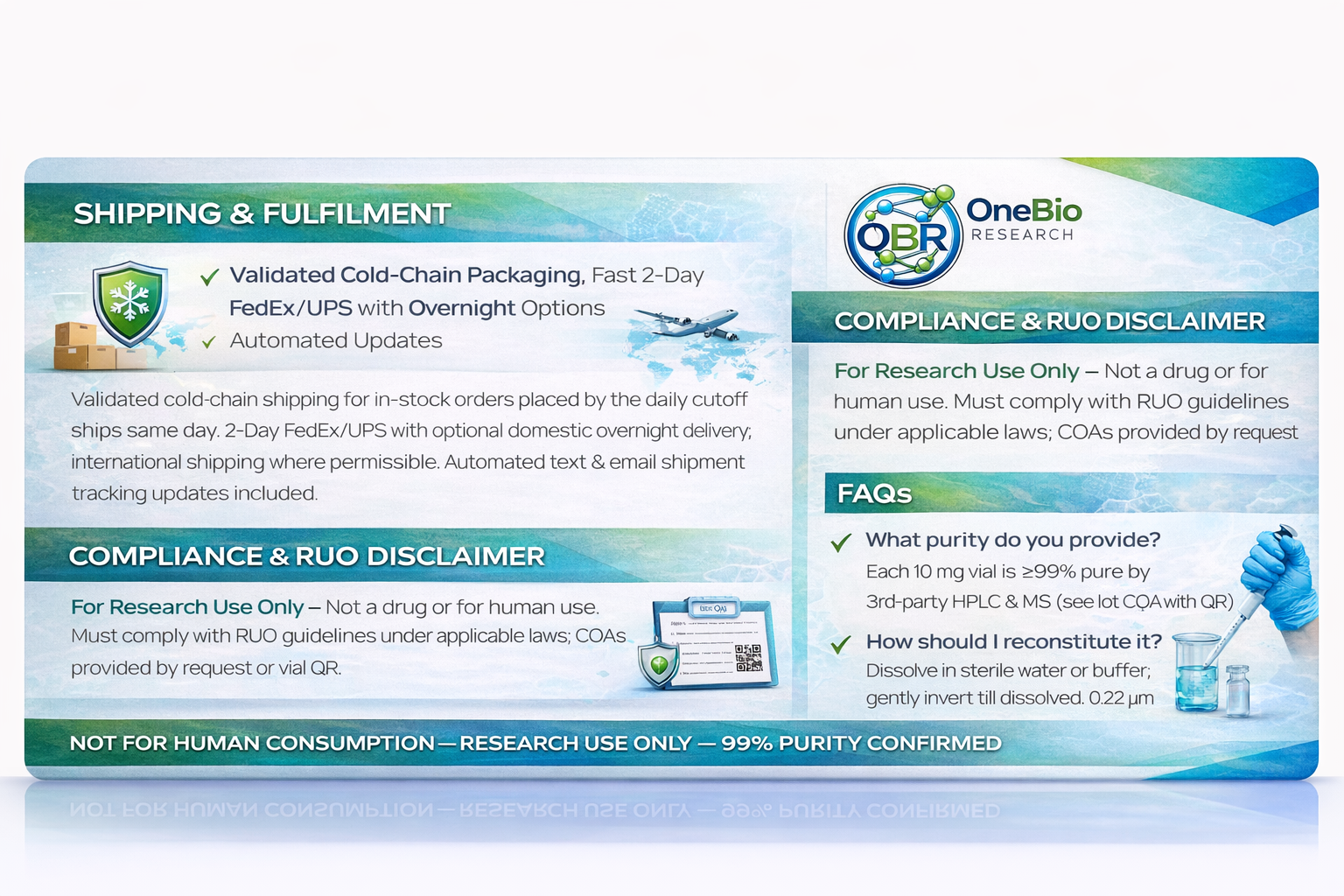
Yes. OneBio Research products are sold strictly for laboratory research and analytical testing.
Where do I find storage guidance?
Use the product label, COA, and the storage tab above. Long-term freezer storage is commonly referenced around -4°F; refrigerated short-term storage is 35–46°F.
Can I request documentation?
Yes. Use the COA/documentation request link or contact OneBio Research with the product and lot details.
Reviews
There are no reviews yet.